
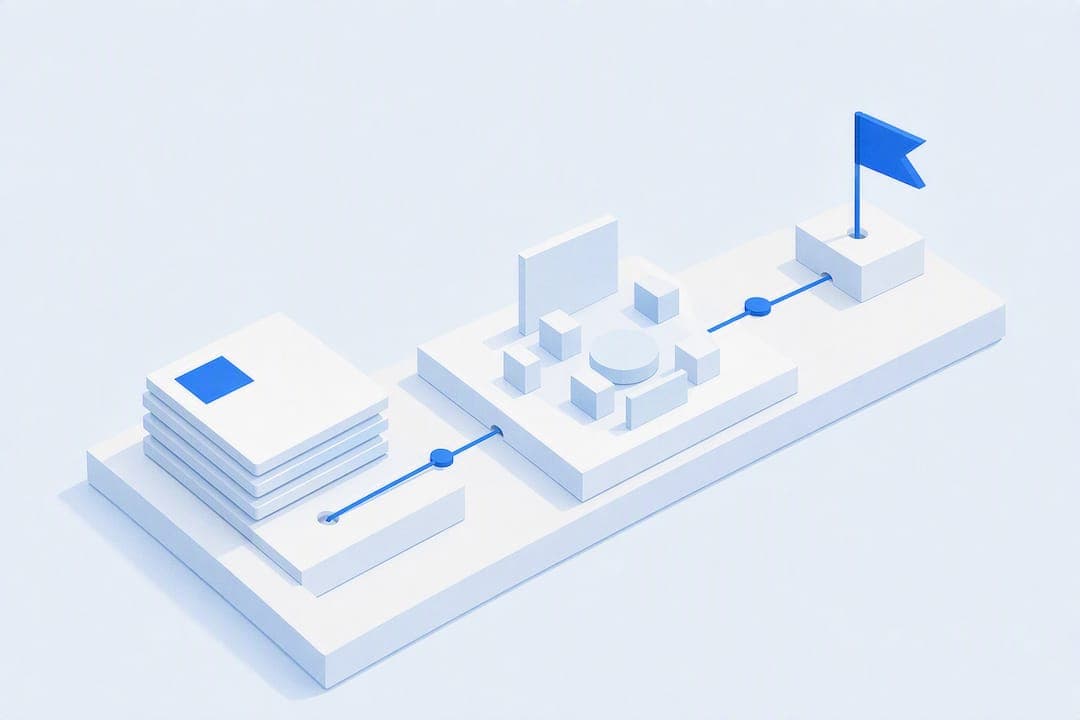
Start by writing a 12 word identity statement, hand pick 10 to 25 founding members, and run one predictable weekly ritual. Do that consistently, and you land a self sustaining micro community inside 90 days. Everything else in this guide is the mechanics behind that one sentence.
TL;DR:
- Successful community building requires a clear, narrow identity statement with measurable outcomes, tailored to members' communication style and platform preferences.
- A staged 90-day plan focuses on locking the platform early, engaging founding members, identifying power users, and gradually opening access and monetization.
- Consistent rituals like weekly wins, feedback Fridays, and micro-challenges foster member retention through predictable routines.
- Effective moderation involves short rules, quick enforcement, and dedicated community managers to remove toxic members swiftly and maintain trust.
- Tracking engagement metrics weekly and cohort retention monthly is crucial, with monetization best delayed until trust is established using integrated tools to minimize friction.
Table of Contents
- How Do You Build an Online Community From Scratch?
- What Should Your 90-Day Community Launch Plan Look Like?
- What Rituals Keep Members Coming Back?
- How Do You Moderate an Online Community Without Killing It?
- Which Metrics Actually Matter, and When Should You Charge Money?
- Why Integrated Tools Change the Monetization Math
- Run Your Paid Community Without the Tool Sprawl
- Sources
How Do You Build an Online Community From Scratch?
The setup work happens before you send a single invite. Skip it and you get a ghost town with a logo.
1. Write a 12-word identity statement. Something like "A weekly practice group for freelance copywriters testing new pricing models." Attach 1 to 2 measurable outcomes to it, such as weekly active users (WAU) or a specific number of product feedback threads per month. Vague missions produce vague members. A hyper narrow focus, rather than a broad one, creates an immediate shared identity and tends to hold members longer.
2. Profile your ideal member. Where do they already hang out? What problem keeps them up at night? What do they need that no existing group gives them?
3. Match the platform to how members actually talk. Fast back and forth chat points to Discord. Professional B2B conversation fits Slack better. If you are combining lessons with discussion, a course-plus-community platform built for that pairing usually beats a bolted-together stack, since platform choice should follow communication style, not the reverse.
4. Build the essential artifacts before launch:
- A welcome page explaining what the group is and is not
- A pinned introductions thread
- A pinned wins thread
- A pinned resources thread
5. Draft an onboarding template, then quietly invite 10 to 25 founding members by name. No public launch yet. Guides that study early community growth consistently point to identifying outcomes and researching your audience before selecting a platform, not after.
What Should Your 90-Day Community Launch Plan Look Like?
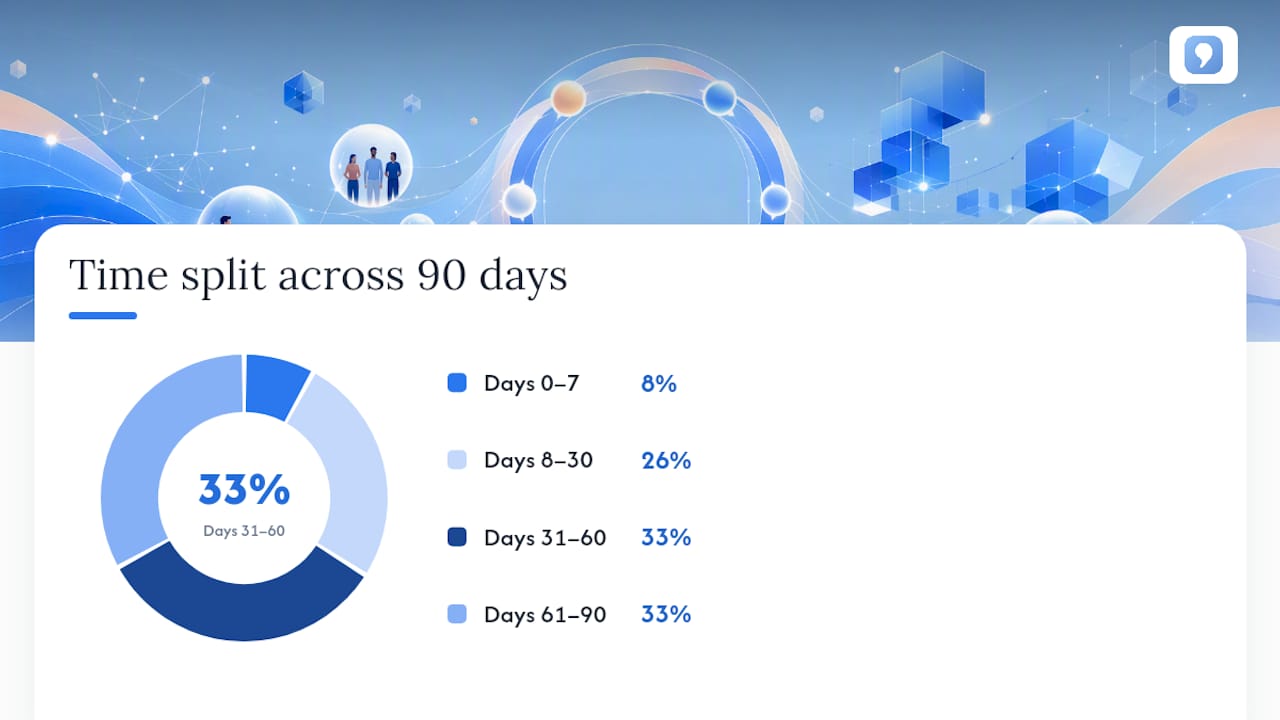
Break the 90 days into four phases. Each one has a different job.
- Days 0 to 7: Lock the platform, finalize your identity statement, publish the welcome page, and pin your three core threads. Post one piece of anchor content, a founder story, a framework, or a resource that gives new members something to react to immediately.
- Days 8 to 30: Personally welcome every new member by name. Introduce members to each other based on shared goals. Run a wins thread every single week, no exceptions.
- Days 31 to 60: Identify your power users, the small group already answering questions and posting unprompted. Give them roles. Run your first live event. Settle into a weekly rhythm members can set their watch by.
- Days 61 to 90: Open access more broadly. Test a paid tier or cohort offer with your most engaged members. Start handing moderation duties to the people you promoted in phase three.
This staged approach, moving from a tight founding group to predictable rituals and only then to paid tiers, mirrors what a 90-day launch framework recommends for avoiding the two most common failure modes: launching too wide, and monetizing before trust exists.
Pro Tip: Do not create more than 3 to 4 discussion spaces at launch. Empty categories are the fastest way to make a new community feel abandoned, so seed genuine posts in each space before you let anyone else see it.
What Rituals Keep Members Coming Back?
Retention comes from rhythm, not from one viral post. Members return because they know something predictable is waiting for them.
- Weekly wins threads where members post a small victory from the last seven days
- Feedback Fridays for members to get eyes on work in progress
- Micro-challenges that take under 10 minutes to complete
- Short lessons posted on a fixed day, so members build a habit around checking in
As founder, post daily for the first month, then taper as members start replying to each other before you do. Seed peer-to-peer interaction by tagging two members with overlapping interests in the same thread instead of answering every question yourself. Structuring these small collaborative moments is one of the clearest levers for participation and long-term resilience in a virtual group.
Pro Tip: Turn your best member stories into a pinned "success stories" thread. It becomes both a recruiting tool for new members and proof that participation actually pays off.
How Do You Moderate an Online Community Without Killing It?
Write your rules short enough to read in 30 seconds and pin them where nobody can miss them. Pair that with a simple onboarding checklist new members must acknowledge before posting.
Give moderators a clear triage workflow: flag, review, then act, whether that means a warning, a temporary timeout, or a ban. Speed matters more than severity here.
- Reward your top contributors with titles, early access to new features, or light moderator privileges
- Treat repeated rule violations, harassment, and spam links as automatic escalation triggers, no warning needed
- Remove genuinely toxic members fast, even if they are prolific posters
That last point is the "bouncer mindset": strict, quick removal of bad actors protects the small group of power users who generate most of the community's real value. A permissive door policy always costs you more than it earns.
Pro Tip: Appoint at least one community manager whose only job is enforcement and welcome messages. Guides on virtual community management consistently flag a dedicated manager role as a difference maker between groups that scale and groups that stall.
Which Metrics Actually Matter, and When Should You Charge Money?
Track daily active users against weekly and monthly active users (DAU/WAU/MAU) to see whether people are visiting out of habit or just once. Watch engagement per post, event attendance, and retention by signup cohort, not just total member count.
- Check core engagement numbers weekly
- Review retention cohorts monthly
- Flag any ritual whose participation drops two weeks in a row
On monetization, sequence matters more than pricing. Keep the main group free as your top of funnel, then introduce a paid inner circle once engagement is proven. A staged monetization sequence protects trust that a too-early paywall destroys. Community platforms report a widely cited 1% rule: roughly 1% of members create most content, 9% engage occasionally, and 90% mostly lurk.
Why Integrated Tools Change the Monetization Math
Most community founders lose momentum at the exact moment they try to charge money, because payments, funnels, and community access all live in different tools that do not talk to each other. That friction is where trust and revenue both leak out.

Some platforms combine payments and sales funnels into a single account, so a paid tier does not require stitching together a checkout page, a separate community app, and a spreadsheet to track who paid. The platform uses AI to tune sales funnels against patterns that already convert, which matters most in the exact transition this guide describes: moving a free group into an inner circle offer. Creators running that transition on an integrated checkout may see cleaner conversion than founders juggling multiple disconnected tools.
— FanBasis
Run Your Paid Community Without the Tool Sprawl
If you are at the point in this playbook where you are testing an inner circle tier or a cohort offer, the tool stack you pick now determines how much friction your members feel at checkout. Some platforms are built specifically for creators layering courses, community, and paid access on top of each other, so the funnel that converts a free member into a paying one lives in the same dashboard as the community itself.

That matters most during the exact days 61 to 90 window in this guide, when you are testing pricing for the first time and cannot afford a clunky checkout to undercut weeks of trust building. Explore paid communities and groups to see how Commas handles access tiers, or check Studios if you are combining a course with your community space. Start a free trial and set up your first paid tier before your 90 day window closes.
Sources
- Community Building 101: Build a Strong Online Community
- How To Build an Online Community in 7 Steps (With Tips) — Indeed
- Popup